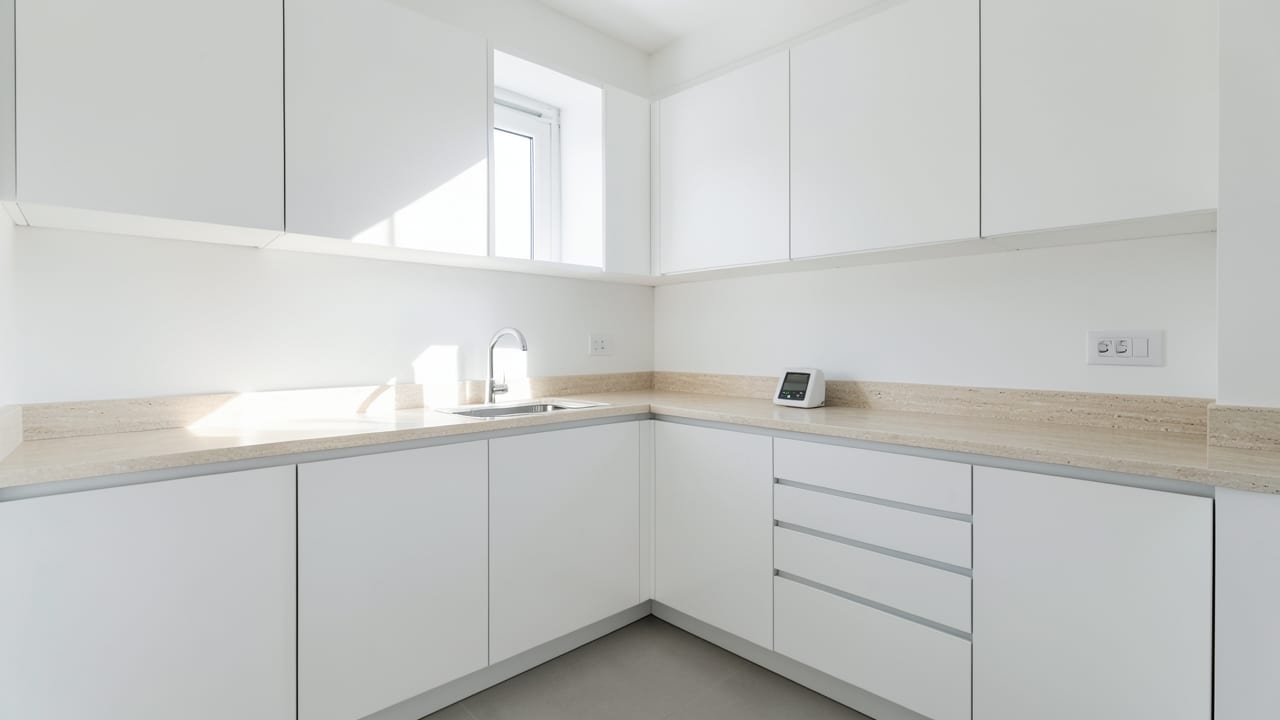
Move-In Mold Assessment
Professional inspection and assessment of mold presence before moving into a property.
Buying a home in Barnstead, NH, means ensuring it’s free of hidden mold before you move in. A move-in mold assessment identifies visible and hidden growth, traces moisture sources, and provides a detailed report to help you address any issues before they become costly problems.
This service is designed for homeowners who want to understand the full scope of potential contamination in their new property.
We also handle Roof Leak Mold Remediation and Hospital Mold Removal for Barnstead properties.
Why a move-in assessment matters
Mold often hides behind walls, under floors, or inside HVAC systems until it becomes a larger issue. A move-in assessment helps you spot problems early, whether it’s a lingering musty smell, visible staining, or hidden moisture damage.
Without this step, you may overlook contamination that could affect your health or require expensive remediation later.
The assessment isn’t just about finding mold—it’s about understanding *why* it’s there. Identifying the moisture source (like a leak or poor ventilation) helps prevent the problem from returning. Without addressing the root cause, even remediation may not provide lasting results.
Signs You May Need an Assessment
- A persistent musty or earthy odor in closets, bathrooms, or crawl spaces that doesn’t fade with airing out.
- Visible mold growth—black, green, brown, or dark speckles—on drywall, grout, window frames, or under carpets.
- A history of leaks or floods in the home, even if surfaces were dried afterward.
- Health symptoms (sneezing, headaches, itchy eyes) that improve when you’re away from a specific room.
What the assessment covers
The process begins with a thorough visual inspection, where a trained professional examines every accessible area of your home. They look for visible mold, staining, and signs of moisture damage, using tools like moisture meters and thermal imaging to detect hidden issues. Every affected area is documented before sampling begins.
Air and surface samples are collected from suspect areas, along with a control sample from an unaffected room. These samples are sent to an independent lab for analysis, which typically takes 2–5 business days. The lab identifies mold species and spore concentrations, providing a clear baseline for comparison.
What you get after the assessment
The findings are compiled into a written scope report, detailing which materials are affected, the likely moisture source, and the square footage involved. This document serves as a roadmap for remediation and is often required by law before work begins. It also helps you compare quotes from remediation contractors accurately.
The report doesn’t just describe the problem—it explains how to address it. Fixing the moisture source (like repairing a leak or improving ventilation) is just as important as removing mold, as it helps prevent future growth. Without this step, the issue may return even after remediation.
| Question to Ask a Remediation Contractor | Why It Matters |
|---|---|
| Does the estimate include containment and clearance testing, or are they priced separately? | Containment prevents cross-contamination during work, and clearance testing confirms the job is complete. |
| Is a written scope of work provided before any work starts? | A scope protects against unexpected costs or incomplete work once demolition begins. |
| Will a third-party lab verify mold species and clearance after remediation? | Independent testing ensures the work actually resolves the contamination. |
| What happens if hidden mold is found during remediation? | Change orders after demolition can lead to disputes—clarify pricing upfront. |
How a move-in mold assessment works
- 1Visual and Moisture Inspection
A trained inspector examines every room, looking for visible mold, staining, and signs of moisture damage. Tools like moisture meters and thermal imaging help detect hidden dampness in walls, floors, and ceilings.
- 2Sample Collection
Air and surface samples are taken from suspect areas, along with a control sample from an unaffected room. This ensures lab results can be compared against a baseline to identify true contamination.
- 3Independent Lab Analysis
Samples are sent to a third-party lab for analysis, which identifies mold species and spore concentrations. Results typically return in 2–5 business days.
- 4Moisture Source Diagnosis
The inspector traces moisture back to its origin—whether it’s a leak, poor ventilation, or condensation—to help prevent future growth.
- 5Written Scope Report
Findings are documented in a report detailing affected materials, moisture sources, and square footage. This serves as a guide for remediation and may be required by law.
Frequently asked questions
Can mold be hidden in a home even if I don’t see or smell it?
Yes. Mold often grows in hidden areas like behind walls, under floors, or inside HVAC systems. A move-in assessment uses tools like moisture meters and thermal imaging to detect these issues before they become visible or cause health concerns.
How long does the assessment take, and what happens after?
The on-site inspection typically takes 2–4 hours, depending on the home’s size. After sample collection, lab analysis takes 2–5 business days. You’ll receive a detailed report outlining findings and next steps.
What should I do if the assessment finds mold in my home?
The report will identify the affected areas and moisture source. You can use this to compare quotes from remediation contractors and prioritize fixes—addressing moisture is key to preventing future growth.
Can I prevent mold before moving in?
Yes. Keeping indoor humidity below 50% (especially in basements and bathrooms), fixing leaks quickly, and running exhaust fans after showers can reduce the risk. A move-in assessment catches issues early, while they’re still manageable.
See Strafford, NH for more, or check out everything Barnstead homeowners can book with us side by side for our complete lineup.
Ready to get started?
Talk to a local mold remediation pro in Barnstead — get a written quote.
Other Mold Remediation Services in Barnstead
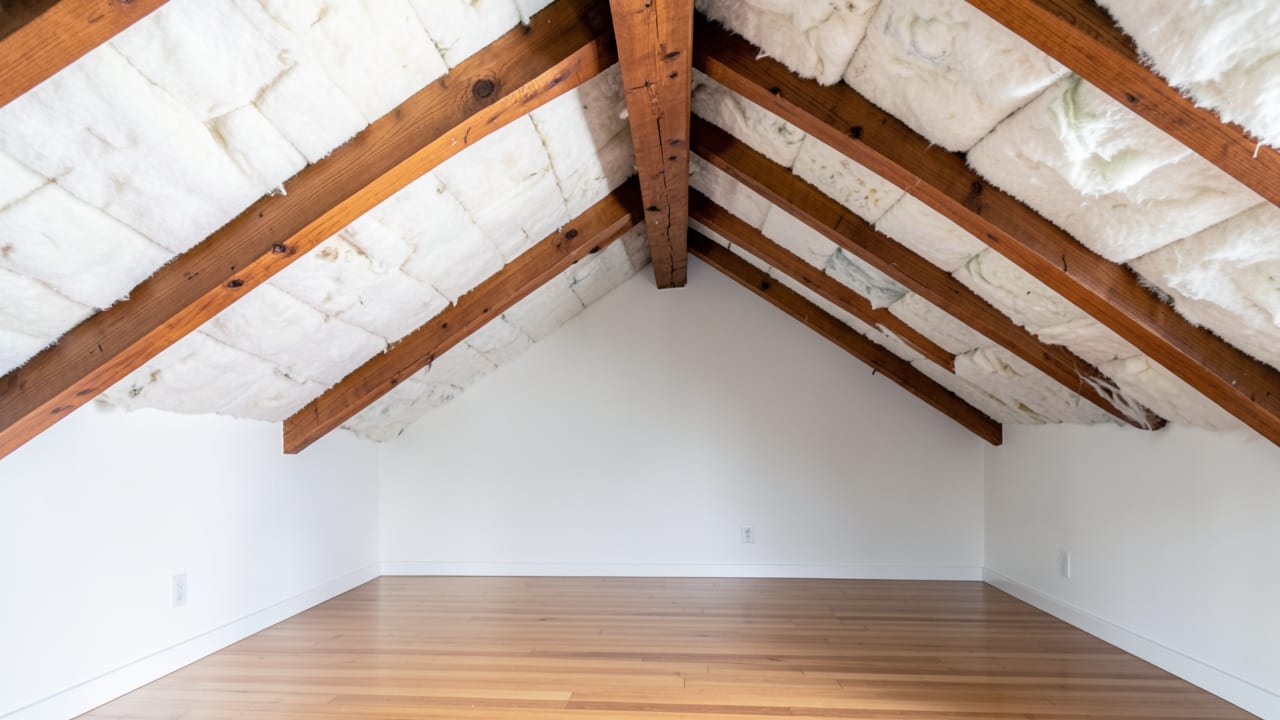
Roof Leak Mold Remediation in Barnstead, NH
Professional removal of mold caused by roof leaks to restore a safe, healthy home environment.
Learn More
Hospital Mold Removal in Barnstead, NH
Professional assessment and removal of mold in hospitals to ensure a safe, healthy environment.
Learn More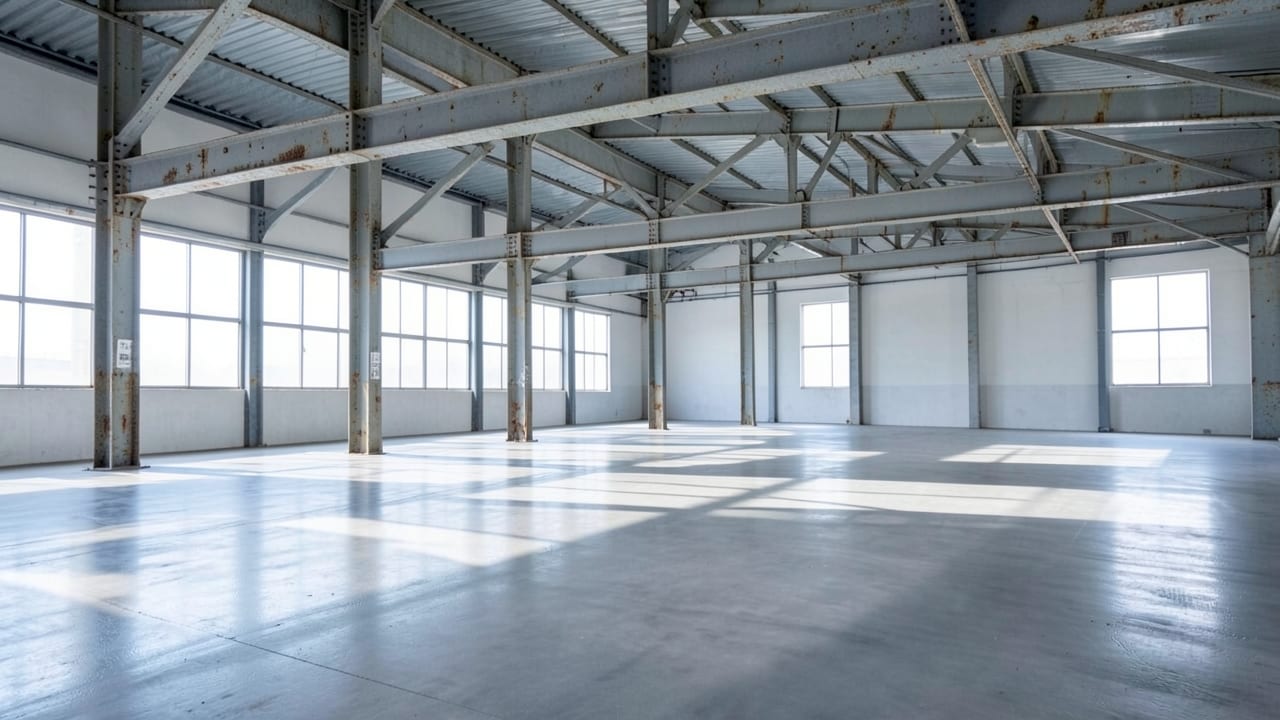
Warehouse Mold Cleanup in Barnstead, NH
Professional removal of mold from warehouse spaces to restore safe, clean conditions.
Learn More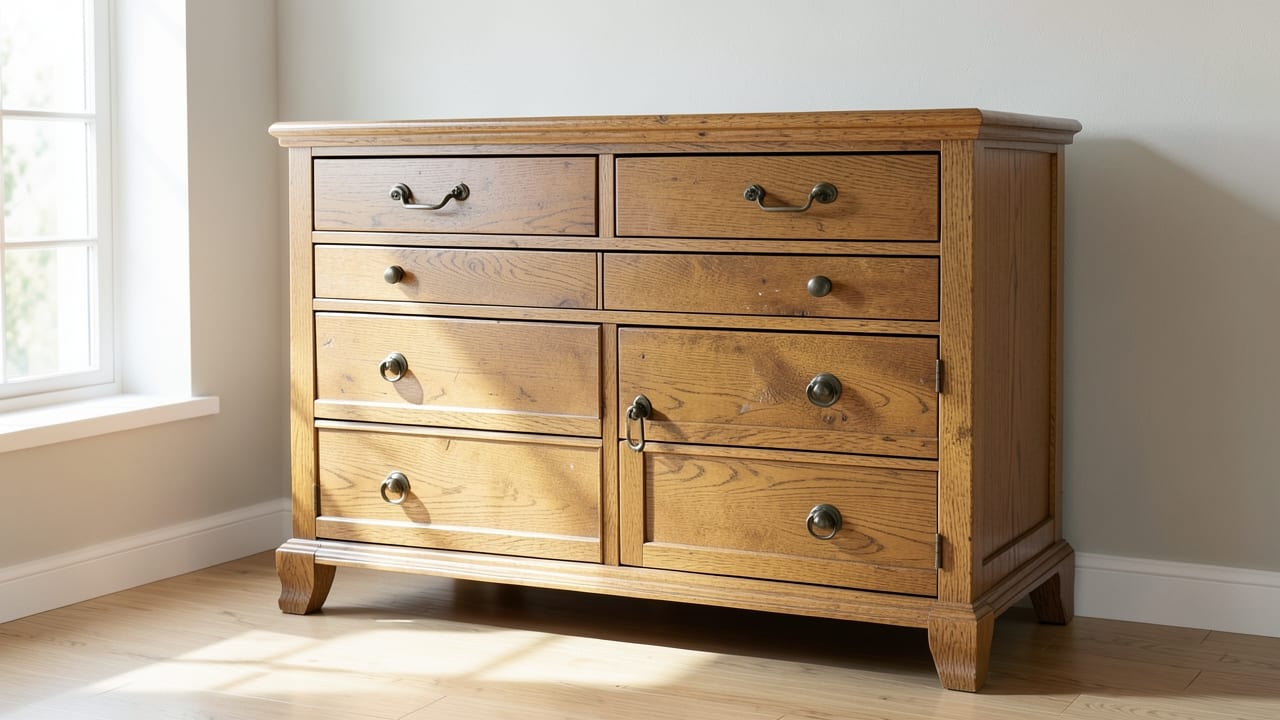
Wood Furniture Mold Remediation in Barnstead, NH
Professional removal and treatment of mold from wood furniture to restore safety and appearance.
Learn More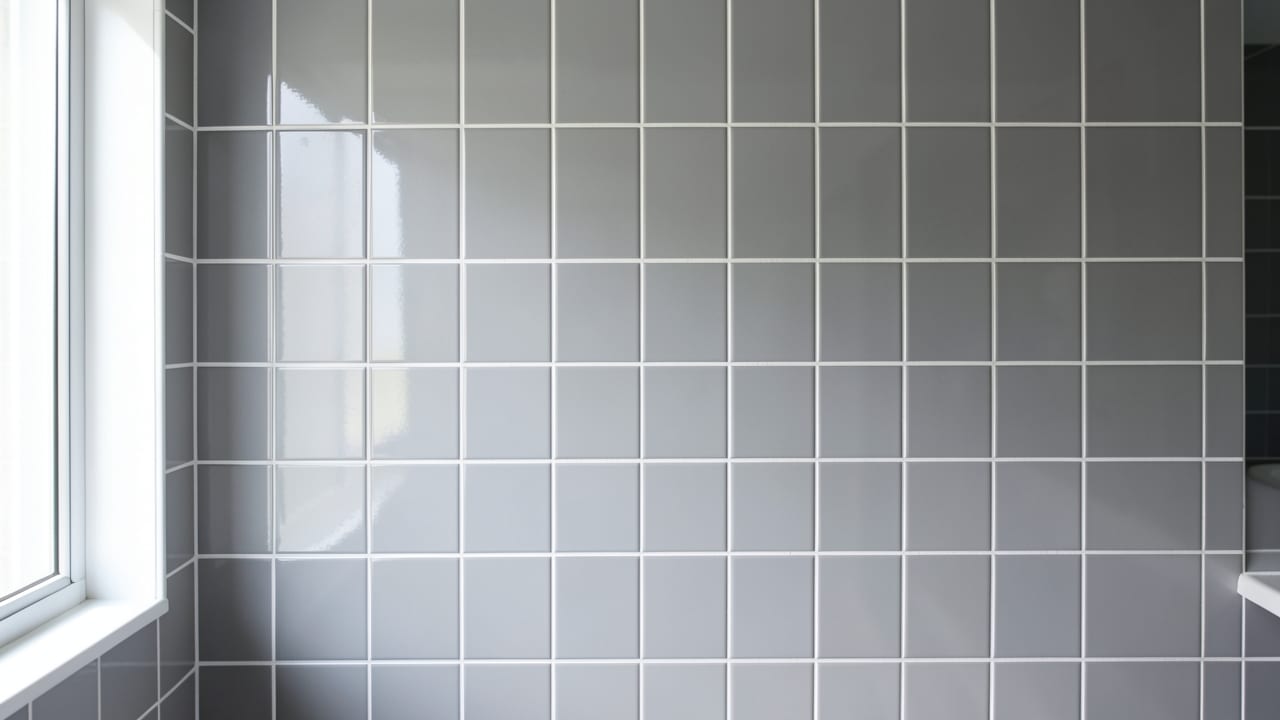
Tile & Grout Mold Cleanup in Barnstead, NH
Professional removal of mold from tile and grout surfaces in bathrooms, kitchens, and other tiled areas.
Learn More
Glass Window Mold Removal in Barnstead, NH
Professional removal of mold from glass windows and frames to restore clarity and prevent spread.
Learn MoreCommon Questions About Mold Remediation in Barnstead
Everything you need to know about mold remediation services in Barnstead
How much does Move-In Mold Assessment typically cost in Barnstead, NH?
Why does Barnstead, NH's humidity make mold a bigger risk than in drier regions?
How does mold remediation actually prevent the problem from coming back?
Can mold growing inside HVAC ductwork spread to the rest of a home?
Does mold mean the same thing as mildew?
Does homeowners insurance typically cover mold remediation?
Need Mold Remediation in Barnstead?
Connect with local providers in Barnstead for a detailed quote.
⏰ We answer your call • Serving all of Barnstead and surrounding areas