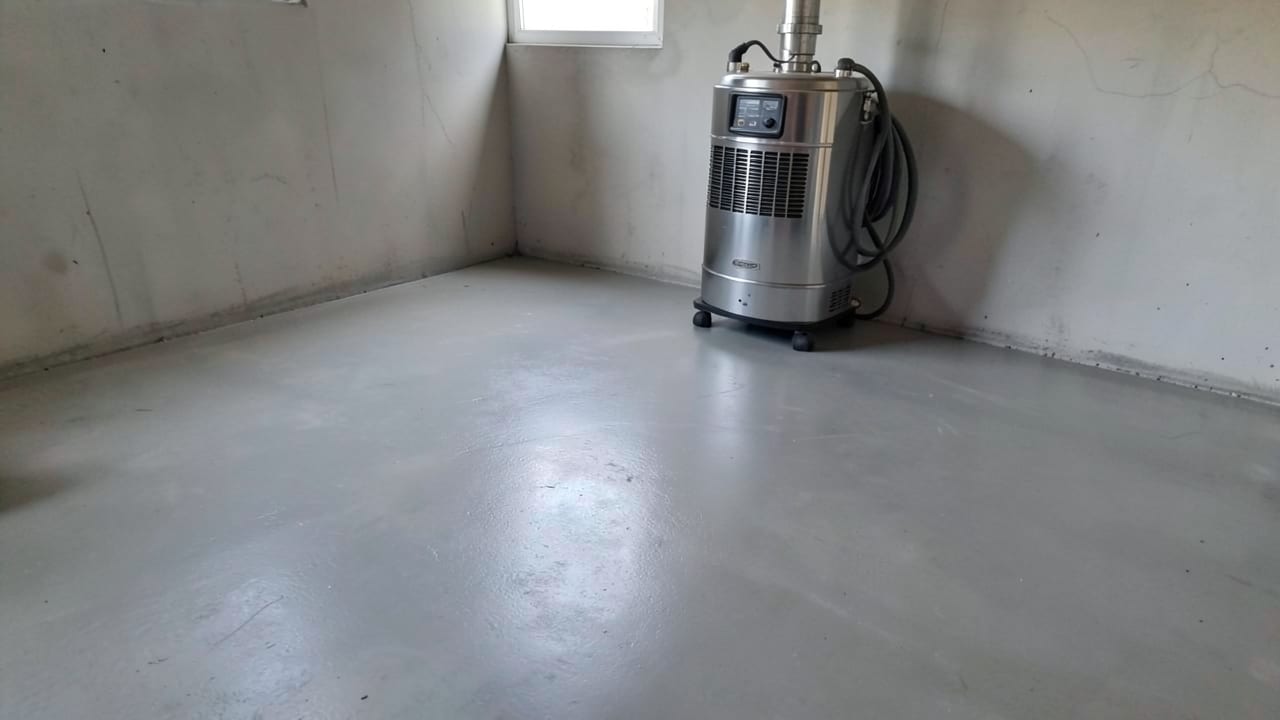
Concrete Mold Remediation
Professional removal and treatment of mold from concrete surfaces in homes.
Concrete mold remediation in Barnstead, NH, addresses mold growth on concrete surfaces such as basements, foundations, and patios. The process involves containment, removal of contaminated materials, HEPA filtration, structural drying, and clearance testing to ensure mold spores are contained and future regrowth is minimized.
Proper remediation requires addressing moisture sources to prevent recurrence.
We also handle Brick Masonry Mold Treatment and Stairwell Mold Remediation for Barnstead properties.
When is concrete mold remediation needed?
Concrete mold often signals deeper moisture issues that won’t resolve with surface cleaning alone. Look for visible mold patches larger than a few square feet, recurring growth after previous attempts to clean, or a persistent musty odor—especially in damp areas like basements or crawl spaces.
If mold appears on concrete surfaces and spreads quickly, it’s likely embedded in porous materials, requiring professional removal.
Hidden mold behind walls or under flooring can also spread through HVAC systems, making the problem far worse. A professional inspection identifies moisture sources—like leaks, poor drainage, or high humidity—and ensures they’re addressed during remediation. Ignoring these sources leads to regrowth within months, often in the same location.
Signs Your Concrete Mold Needs Professional Remediation
- Mold covers more than a small, isolated patch (typically over 25 sq. ft. of contiguous growth).
- Growth returns within weeks after cleaning, suggesting an unresolved moisture source.
- A musty smell persists even after visible mold is removed, indicating hidden mold in walls, flooring, or ductwork.
- Mold appears on multiple surfaces or spreads quickly, signaling deep contamination beyond surface-level cleaning.
What affects cost and timing?
The cost of concrete mold remediation in Barnstead varies based on the size of the affected area, the type of mold (e.g., black mold may require more extensive treatment), and whether hidden contamination is discovered during the process. Labor, materials, and equipment—like HEPA filtration systems and industrial dehumidifiers—also influence pricing.
Timing depends on containment setup, removal of contaminated materials, drying the structure, and clearance testing. Jobs with extensive hidden mold or moisture issues may take longer, as addressing the root cause is critical to preventing recurrence.
A professional can provide a more accurate estimate after inspecting the specific conditions of your property.
What to watch for in a remediation provider
Not all remediation providers follow the same standards, and cutting corners—like skipping containment or clearance testing—can lead to incomplete results. A reputable provider will offer a written scope of work, detail pricing for each step (inspection, removal, testing), and confirm whether they’re licensed for mold work in New Hampshire.
Avoid providers who rush inspections, demand full payment upfront, or pressure you to sign contracts immediately. Clearance testing by an independent lab verifies the job’s effectiveness, and addressing moisture sources is essential to prevent future growth. Always ask for references or examples of similar jobs completed in Barnstead.
Red Flags in a Mold Remediation Quote
- No written, itemized scope of work—leaves room for unexpected costs or incomplete services.
- Pressure to sign the contract during the same visit as the inspection—legitimate scopes take time to prepare.
- No mention of post-remediation clearance testing—without testing, you won’t know if the job was fully effective.
- A bid significantly lower than others for the same square footage—may indicate skipped steps like containment or proper filtration.
How concrete mold remediation works
Remediation follows a structured process to safely remove mold and prevent regrowth.
- 1Containment
Plastic sheeting and negative-air machines seal the work area to prevent spores from spreading to uncontaminated spaces. This step is critical for keeping the job localized and protecting the rest of your home.
- 2Removal of Contaminated Materials
Porous materials like drywall or insulation, which absorb mold, are cut out and bagged. Non-porous surfaces like concrete are cleaned and treated to kill remaining spores. HEPA vacuums and air scrubbers capture airborne particles during this phase.
- 3Structural Drying
Industrial dehumidifiers and air movers reduce moisture levels in affected areas to prevent mold from returning. Proper drying ensures materials are restored to safe humidity levels before the space is sealed back up.
- 4Clearance Testing
An independent lab tests air or surfaces post-remediation to confirm spore counts are within normal ranges. This step verifies the job’s effectiveness and ensures no hidden contamination remains.
Frequently asked questions
Can I clean small mold patches on concrete myself, or should I call a professional?
Small, isolated patches (under 25 sq. ft.) can often be cleaned with detergent, water, and a scrub brush, followed by drying the area thoroughly. However, if the mold keeps returning or covers a larger area, professional remediation is recommended to address hidden moisture sources and ensure proper containment.
How long does the remediation process typically take?
The timeline varies depending on the size of the affected area, the extent of contamination, and whether hidden mold or moisture issues are discovered. Containment, removal, drying, and testing can take anywhere from a few days to over a week for larger or complex jobs.
Will my home insurance cover concrete mold remediation?
Coverage depends on your policy and whether the mold resulted from a covered event, such as a burst pipe or storm damage. Review your policy or contact your insurer to confirm, as many policies exclude pre-existing mold or general wear-and-tear issues.
How can I prevent mold from returning after remediation?
Fixing the moisture source—such as repairing leaks, improving ventilation, or redirecting water away from your foundation—is the best way to prevent recurrence. Using dehumidifiers in persistently damp areas and monitoring humidity levels can also help keep mold from regrowing.
See Milton Mills, NH for more, or discover our full crew's Barnstead services for our complete lineup.
Ready to get started?
Talk to a local mold remediation pro in Barnstead — get a written quote.
Other Mold Remediation Services in Barnstead
Brick Masonry Mold Treatment in Barnstead, NH
Professional mold treatment and removal from brick masonry to restore structural integrity and indoor air quality.
Learn More
Stairwell Mold Remediation in Barnstead, NH
Professional mold removal and prevention in stairwells to restore safe, clean spaces.
Learn More
Balcony Mold Cleanup in Barnstead, NH
Professional removal and treatment of mold growth on balconies and adjacent structures.
Learn More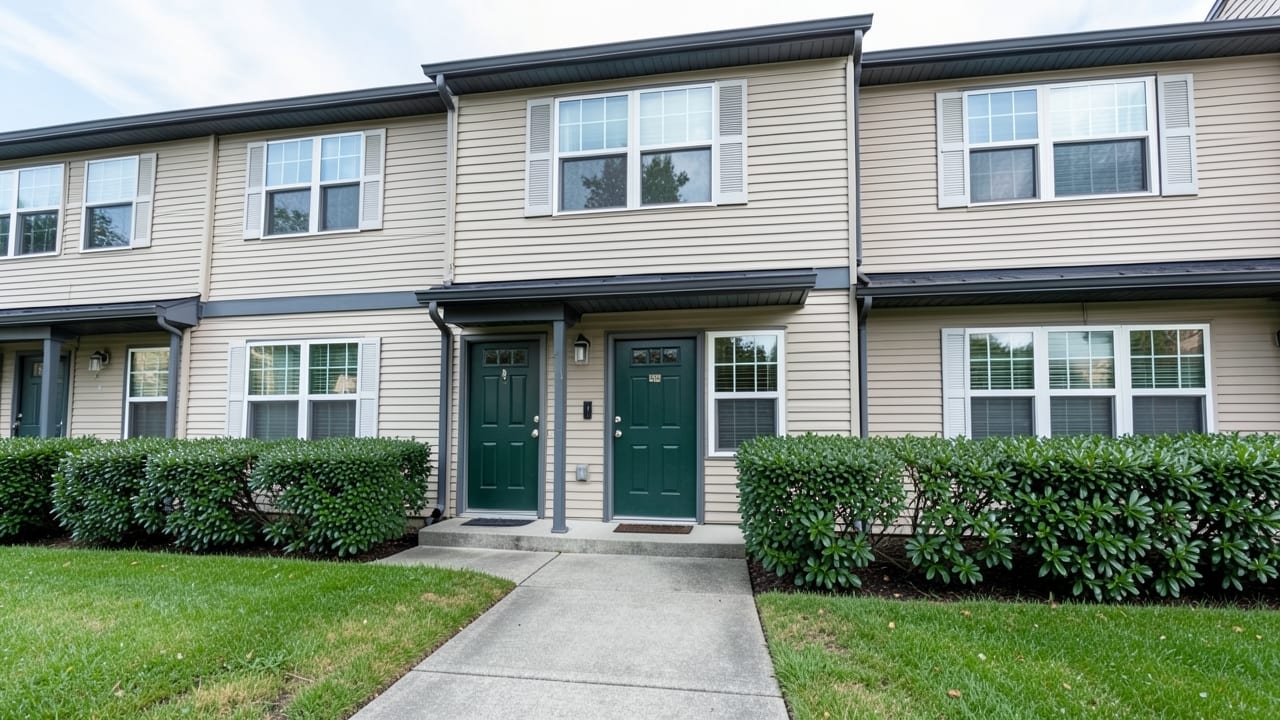
HOA Mold Remediation in Barnstead, NH
Professional mold removal and remediation for HOA properties to restore safe, healthy living conditions.
Learn More
Condo Mold Remediation in Barnstead, NH
Professional removal and treatment of mold in condominiums to restore safe, healthy living spaces.
Learn More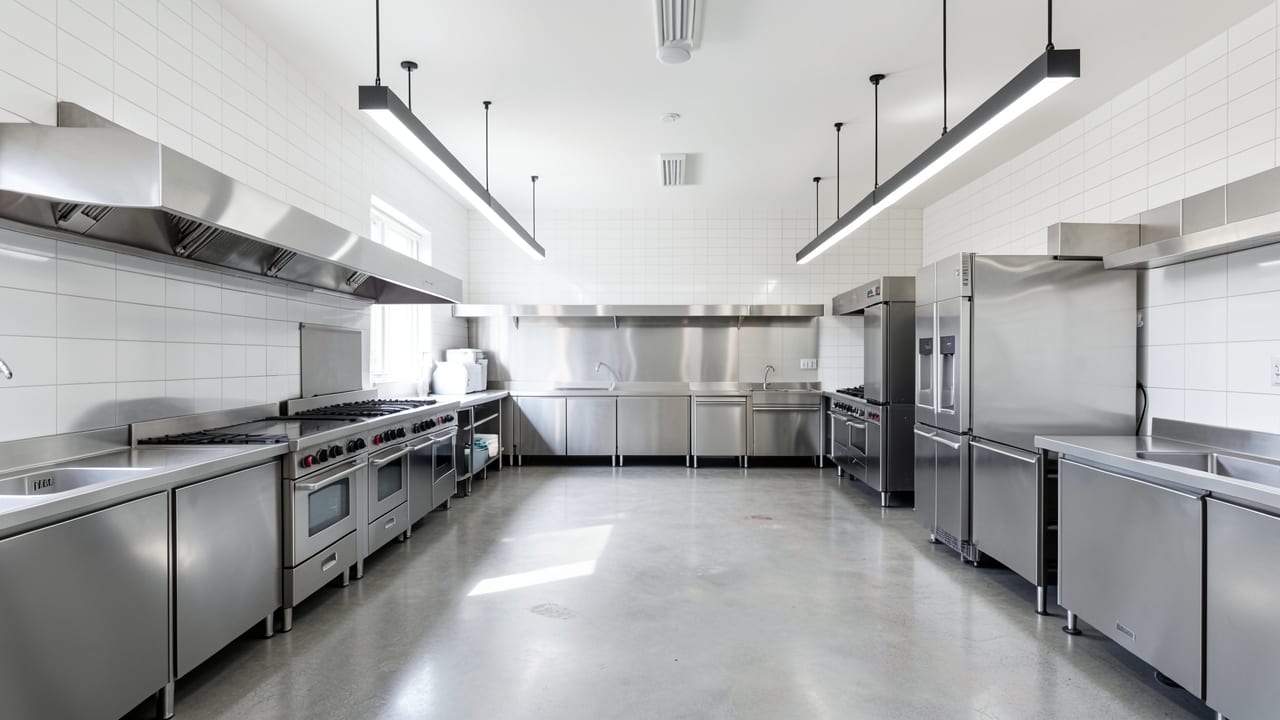
Restaurant Mold Remediation in Barnstead, NH
Professional mold removal and remediation for restaurant spaces to ensure safety and compliance.
Learn MoreCommon Questions About Mold Remediation in Barnstead
Everything you need to know about mold remediation services in Barnstead
How much does Concrete Mold Remediation typically cost in Barnstead, NH?
Why does Barnstead, NH's humidity make mold a bigger risk than in drier regions?
Can small mold problems be handled without hiring anyone?
What's the actual difference between mold removal and mold remediation?
Is a final clearance test part of a typical mold remediation job?
How does mold remediation actually prevent the problem from coming back?
Need Mold Remediation in Barnstead?
Connect with local providers in Barnstead for a detailed quote.
⏰ We answer your call • Serving all of Barnstead and surrounding areas