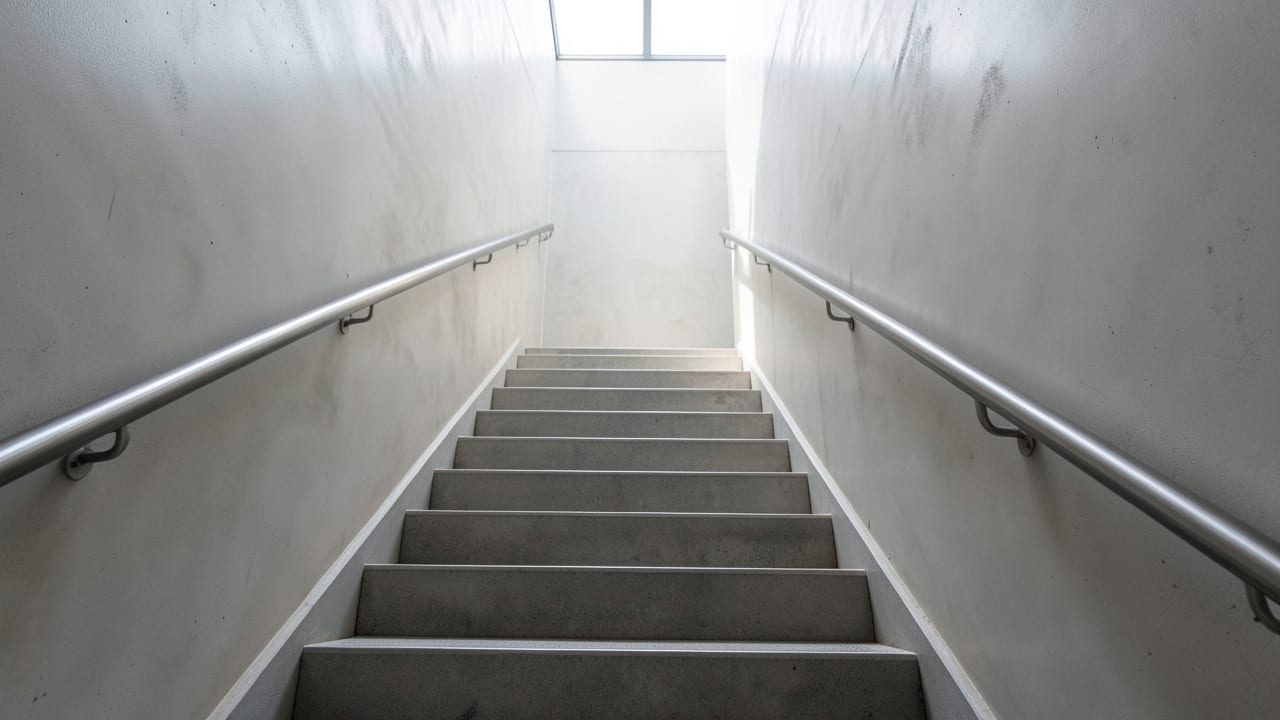
Stairwell Mold Remediation
Professional mold removal and prevention in stairwells to restore safe, clean spaces.
Mold in stairwells and connected areas requires professional remediation to prevent spread and structural damage. In Barnstead, NH, stairwell mold remediation involves containment, removal of contaminated materials, HEPA filtration, and moisture control to address visible and hidden growth safely.
Proper treatment helps restore affected areas and reduces the risk of recurrence.
We also handle Commercial Mold Remediation and Mold Prevention & Moisture Control for Barnstead properties.
When is stairwell mold remediation needed?
Mold in stairwells often signals a deeper moisture issue, especially if it persists after cleaning. Visible growth covering more than a small patch—typically over 25 square feet—is a key indicator that professional remediation is necessary.
Recurring mold in the same spot suggests an unresolved moisture source, such as a leak or poor ventilation.
Hidden mold may also be present, especially if a musty odor lingers or worsens when HVAC systems run. Stagnant air in enclosed stairwells or connected spaces, like basements or attics, creates ideal conditions for mold to thrive and spread undetected.
Signs You Need Stairwell Mold Remediation
- Mold covers more than a small, isolated patch (over 25 sq ft).
- Growth returns within weeks after cleaning.
- A musty smell persists even after visible mold is removed.
- The odor strengthens when HVAC systems are active.
- Stairwell materials (drywall, carpet padding) show discoloration or warping.
What affects cost and timeline?
The scope of stairwell mold remediation depends on the extent of contamination, the materials affected, and whether hidden mold is present. Remediation typically includes containment, removal of porous materials, HEPA filtration, and structural drying—each step adds to the total time and cost.
Pricing varies based on square footage, mold type (e.g., black mold may increase costs by 15–25%), and whether moisture sources are addressed. Clearance testing, often done by a third party, is also factored into the final estimate.
Preventing mold regrowth after remediation
Remediation removes existing mold, but preventing recurrence depends on fixing moisture sources and improving airflow. Leaks, condensation, or grading issues must be resolved to stop mold from returning. Post-remediation, monitoring humidity levels and using dehumidifiers or fans in damp-prone areas helps maintain dry conditions.
Outdoor factors, like downspouts draining near the foundation or sloped soil, can reintroduce moisture. Addressing these issues reduces the risk of future mold growth in stairwells and connected spaces.
Check humidity in the stairwell monthly for the first year after remediation—stagnant air or readings above 60% increase regrowth risk.
How stairwell mold remediation works
- 1Containment Setup
Plastic sheeting and negative-air machines seal the stairwell and adjacent areas to trap spores during removal, preventing them from spreading to unaffected spaces.
- 2Material Removal or Treatment
Porous materials like drywall or carpet padding, which absorb mold, are cut out and bagged. Non-porous surfaces like tile or framing are scrubbed and treated to kill remaining spores.
- 3HEPA Filtration and Cleanup
HEPA air scrubbers run continuously to capture airborne spores, and surfaces are vacuumed with HEPA-equipped tools to avoid recirculating mold into the air.
- 4Structural Drying
Industrial dehumidifiers and air movers reduce moisture in framing and subfloors to normal levels, as damp materials encourage mold regrowth even after visible traces are removed.
- 5Clearance Testing
An independent lab tests air or surfaces post-remediation to confirm spore counts are within safe ranges before containment is removed and the area is considered finished.
Frequently asked questions
How do I know if my stairwell mold is a DIY job or needs professional remediation?
If the mold covers more than 25 square feet, keeps returning after cleaning, or you notice a musty smell without visible growth, professional remediation is recommended. Hidden mold or structural damage also signals the need for expert treatment.
Will remediation fix the moisture problem causing the mold?
Remediation removes mold but does not inherently fix moisture sources like leaks or poor ventilation. Addressing these issues separately is critical to preventing future growth.
How long does stairwell mold remediation typically take?
The timeline varies based on containment setup, material removal, drying, and testing. Most jobs take 2–5 days, depending on the extent of contamination and whether hidden mold is addressed.
Do I need to leave the house during remediation?
Yes, containment measures require sealing off the stairwell, so residents should relocate during the process to avoid inhaling spores or disturbing the work area.
See Alton, NH for more, or find out about the full mold remediation lineup we run in Barnstead across the area for our complete lineup.
Ready to get started?
Talk to a local mold remediation pro in Barnstead — get a written quote.
Other Mold Remediation Services in Barnstead
Commercial Mold Remediation in Barnstead, NH
Commercial mold inspection and remediation in Barnstead, NH for offices, retail space, and multi-unit properties, scheduled around business operations.
Learn More
Mold Prevention & Moisture Control in Barnstead, NH
Mold prevention and moisture control in Barnstead, NH — addressing ventilation, humidity, and drainage before growth starts, not after.
Learn More
Mold & Asbestos Testing in Barnstead, NH
Combined mold and asbestos testing in Barnstead, NH — one inspection visit, lab-verified results for both.
Learn More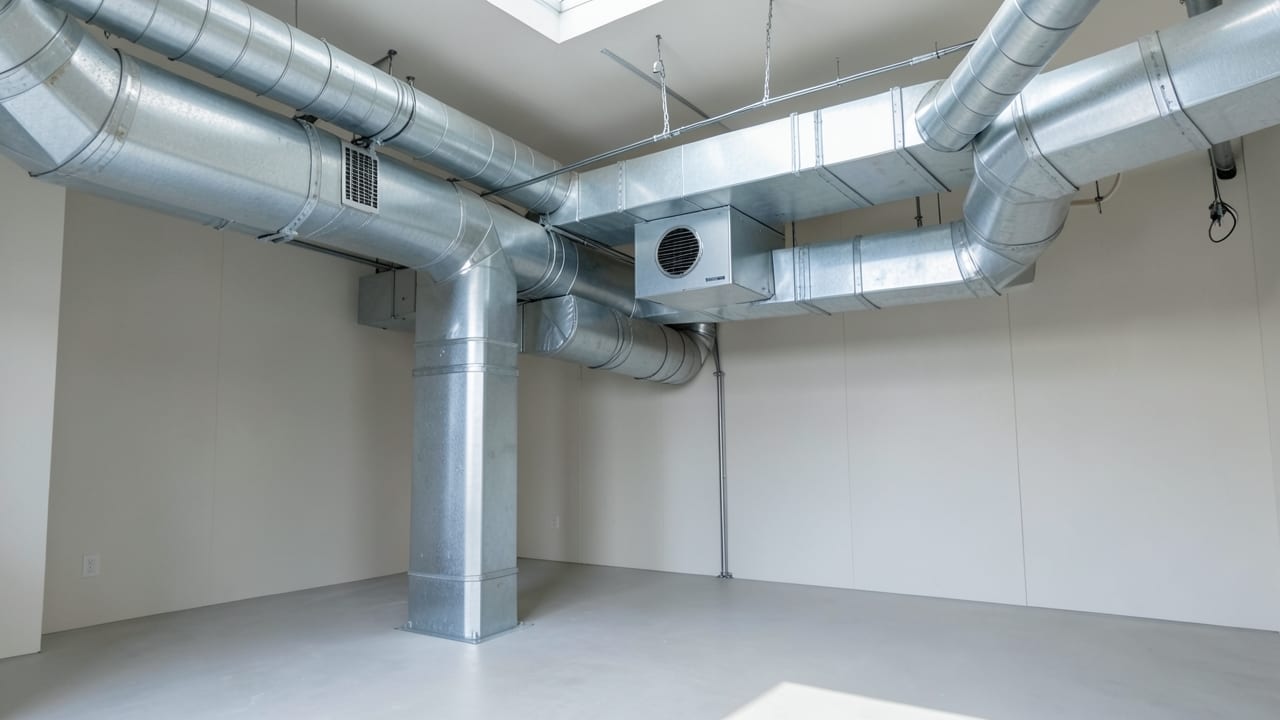
HVAC Mold Remediation in Barnstead, NH
HVAC and ductwork mold remediation in Barnstead, NH — mold growing inside the air handler or duct system, spreading through every vent.
Learn More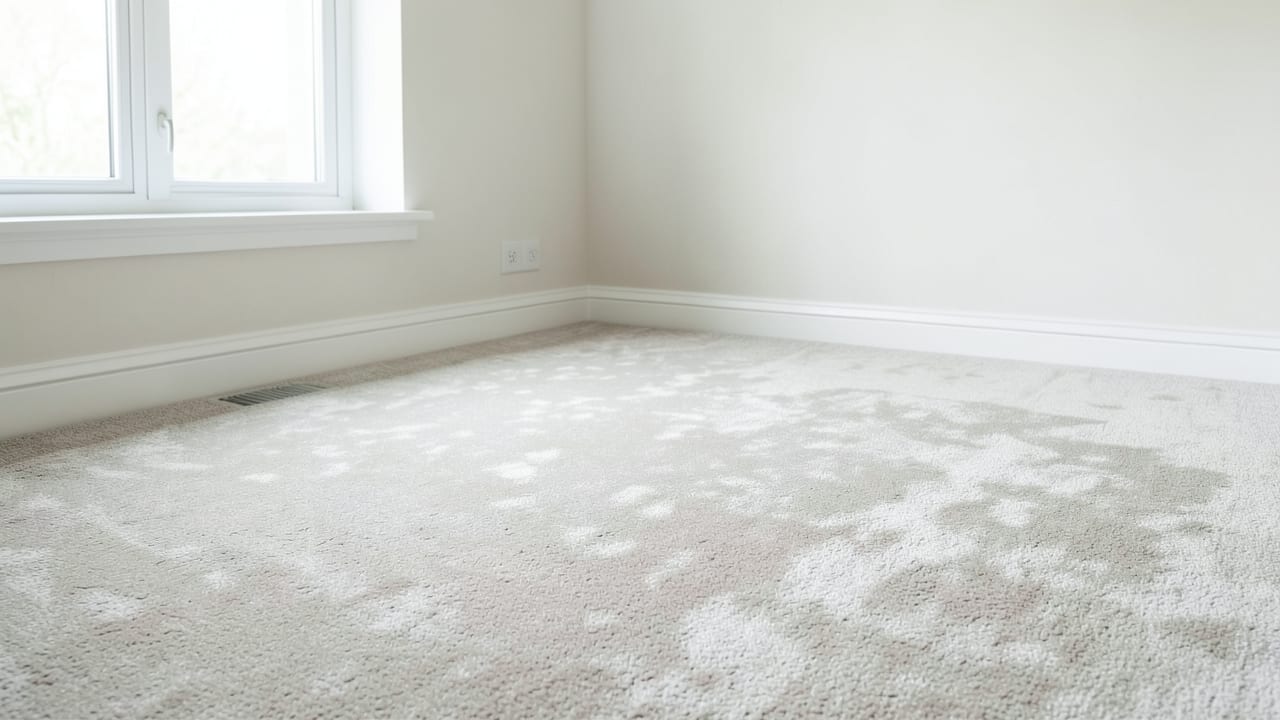
Carpet Mold Treatment in Barnstead, NH
Professional assessment and removal of mold growth from carpets to restore a safe indoor environment.
Learn More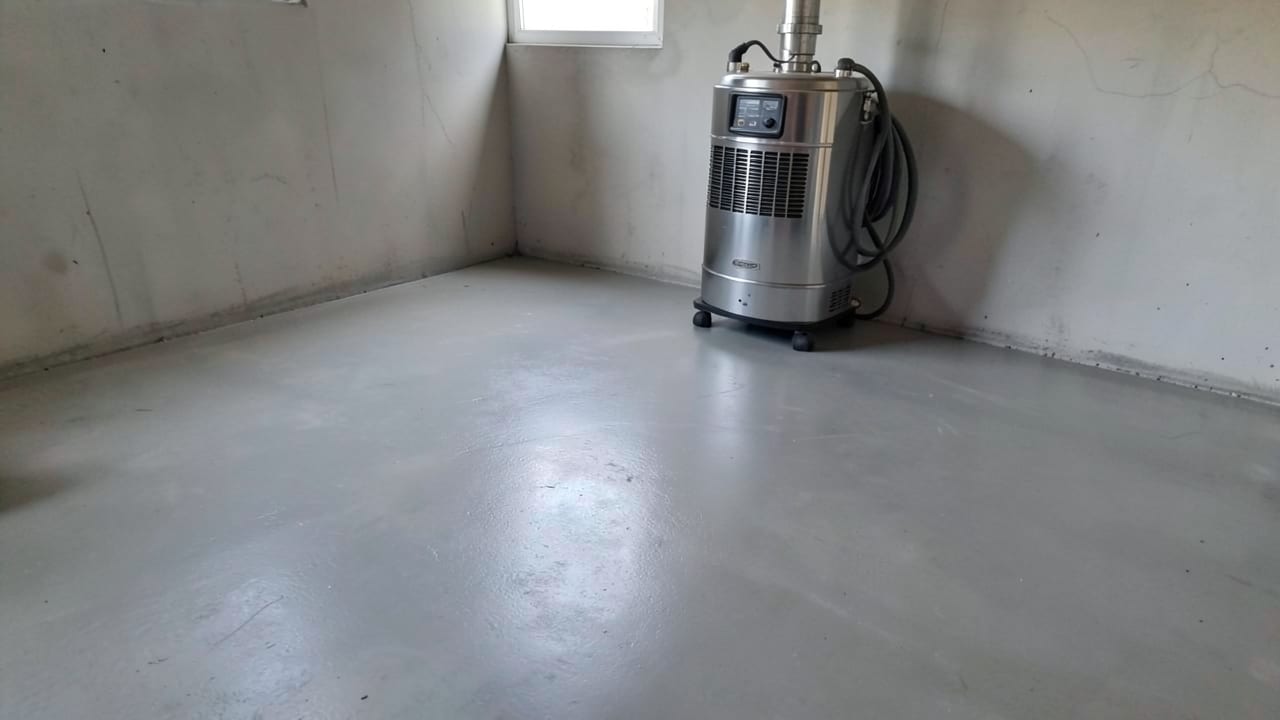
Concrete Mold Remediation in Barnstead, NH
Professional removal and treatment of mold from concrete surfaces in homes.
Learn MoreCommon Questions About Mold Remediation in Barnstead
Everything you need to know about mold remediation services in Barnstead
How much does Stairwell Mold Remediation typically cost in Barnstead, NH?
Why does Barnstead, NH's humidity make mold a bigger risk than in drier regions?
Does homeowners insurance typically cover mold remediation?
Is black mold actually more dangerous than other mold types?
How long does a typical mold remediation job take?
Is it safe to stay in the home during mold remediation?
Need Mold Remediation in Barnstead?
Connect with local providers in Barnstead for a detailed quote.
⏰ We answer your call • Serving all of Barnstead and surrounding areas