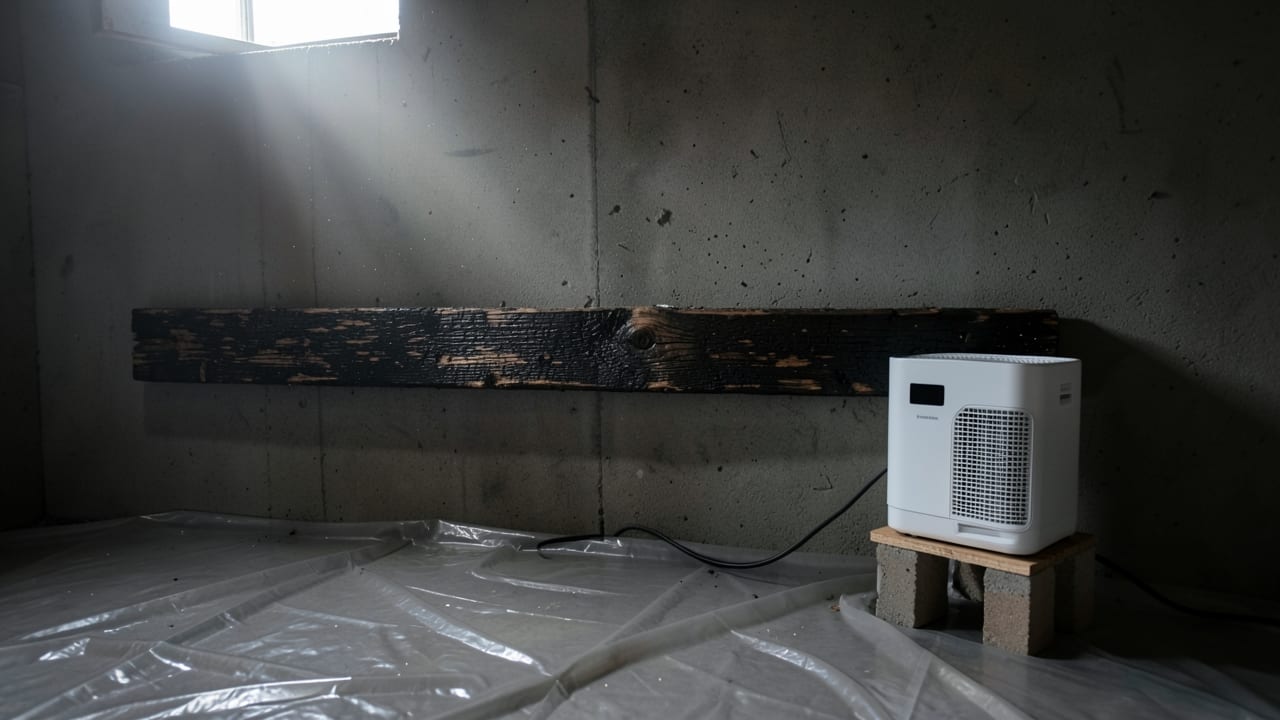
Fire Smoke Mold Remediation
Professional cleanup and restoration of fire, smoke, and mold damage in homes.
Fire, smoke, and mold damage in Barnstead, NH, require professional remediation to restore safety and prevent long-term issues.
Whether caused by a house fire, lingering smoke odors, or hidden mold growth, proper cleanup involves containment, removal, drying, and testing to ensure affected areas are fully treated and moisture sources are addressed.
We also handle Spring Mold Inspection and Move-In Mold Assessment for Barnstead properties.
Local homeowners can expect a structured process that follows industry standards to minimize health risks and structural damage.
When to call for remediation
Mold growth beyond a small patch, recurring after cleaning, or hidden behind walls signals a need for professional intervention. In Barnstead, moisture sources like leaks, poor ventilation, or fire damage cleanup often lead to mold spread that DIY methods can’t fully address.
Recognizing these signs early helps prevent larger, costlier repairs down the line.
Smoke damage from fires can leave behind invisible residues that linger long after the fire is out. If odors persist, walls or fabrics show discoloration, or respiratory irritation occurs, professional deodorization and deep cleaning are necessary to restore indoor air quality safely.
Signs You Need Professional Remediation
- Mold covers more than a small, isolated patch (e.g., over 25 contiguous square feet).
- Mold keeps returning in the same spot after cleaning, suggesting an unresolved moisture issue.
- A musty smell persists with no visible mold, indicating hidden growth in walls, ducts, or under flooring.
- Fire or smoke damage leaves lingering odors, soot stains, or respiratory discomfort despite surface cleaning.
What affects cost and timeline
The extent of damage, square footage, and whether hidden mold or structural repairs are needed all influence pricing. Fire smoke cleanup typically ranges widely based on the room’s condition, while mold remediation adds costs for containment, removal, and clearance testing. Addressing moisture sources upfront helps avoid recurring issues.
Timelines depend on drying requirements, containment setup, and clearance testing. Industrial dehumidifiers and air movers may run for days to ensure materials dry completely before mold can regrow. Rushing this step can lead to incomplete results.
What to ask before hiring
Not all remediation quotes cover the same steps, so clarity upfront saves confusion later. Ask whether containment, clearance testing, and moisture source fixes are included—or priced separately. A written scope of work protects against unexpected costs once demolition begins.
Independent clearance testing by a third party confirms the job’s effectiveness. Without it, there’s no objective way to verify whether spores or moisture issues remain. Licensing and experience with hidden mold (e.g., in ductwork or subfloors) also matter for thorough results.
| Question to Ask | Why It Matters |
|---|---|
| Does the estimate include containment, removal, and clearance testing? | Containment and testing are often billed separately; a low quote may exclude critical steps. |
| Is the moisture source (e.g., leak, condensation) addressed in the scope? | Fixing the cause prevents mold from returning after remediation. |
| Will a third-party lab verify clearance after work? | Independent testing confirms the space is safe, unlike self-reported results. |
| Is the square footage or area being treated specified? | Vague estimates make it hard to compare bids accurately. |
How fire smoke mold remediation works
Professional remediation follows a structured process to contain, remove, and test damage safely.
- 1Containment Setup
Plastic sheeting and negative-air machines isolate the affected area to prevent spores from spreading to uncontaminated spaces during removal.
- 2Removal of Damaged Materials
Porous materials like drywall or carpet padding—absorbed with mold—are cut out and sealed in bags, while non-porous surfaces are scrubbed and treated.
- 3HEPA Filtration and Drying
HEPA air scrubbers and vacuums capture spores during cleanup, and industrial dehumidifiers dry structural materials to prevent regrowth.
- 4Clearance Testing
An independent lab tests air or surfaces post-remediation to confirm spore levels are within normal ranges before containment is removed.
- 5Moisture Source Fix
Addressing leaks, grading, or ventilation issues helps ensure the treated area stays dry and mold-free long-term.
Frequently asked questions
Can I clean small mold patches myself, or should I call a professional?
Small, isolated patches (under 25 square feet) can often be cleaned with household products, but recurring growth or hidden mold signals a need for professional remediation to address moisture sources and ensure safety.
How long does it take to remediate fire smoke damage in a single room?
Timelines vary based on soot depth, odor severity, and drying needs. A typical room may take 1–3 days for cleanup and deodorization, with additional time if structural repairs or mold testing are required.
Will my insurance cover fire smoke or mold remediation?
Most homeowners’ policies cover fire damage and related smoke cleanup, but mold coverage depends on the cause. Documenting the damage and checking your policy’s exclusions (e.g., pre-existing mold) is key before filing a claim.
How do I know if mold is hidden behind walls or in my HVAC system?
Musty smells that worsen with HVAC use or visible mold near vents suggest ductwork contamination. Hidden wall mold often appears as discoloration or bulging drywall, or returns after surface cleaning.
See Contoocook, NH for more, or explore how our Barnstead crew can help by service type for our complete lineup.
Ready to get started?
Talk to a local mold remediation pro in Barnstead — get a written quote.
Other Mold Remediation Services in Barnstead
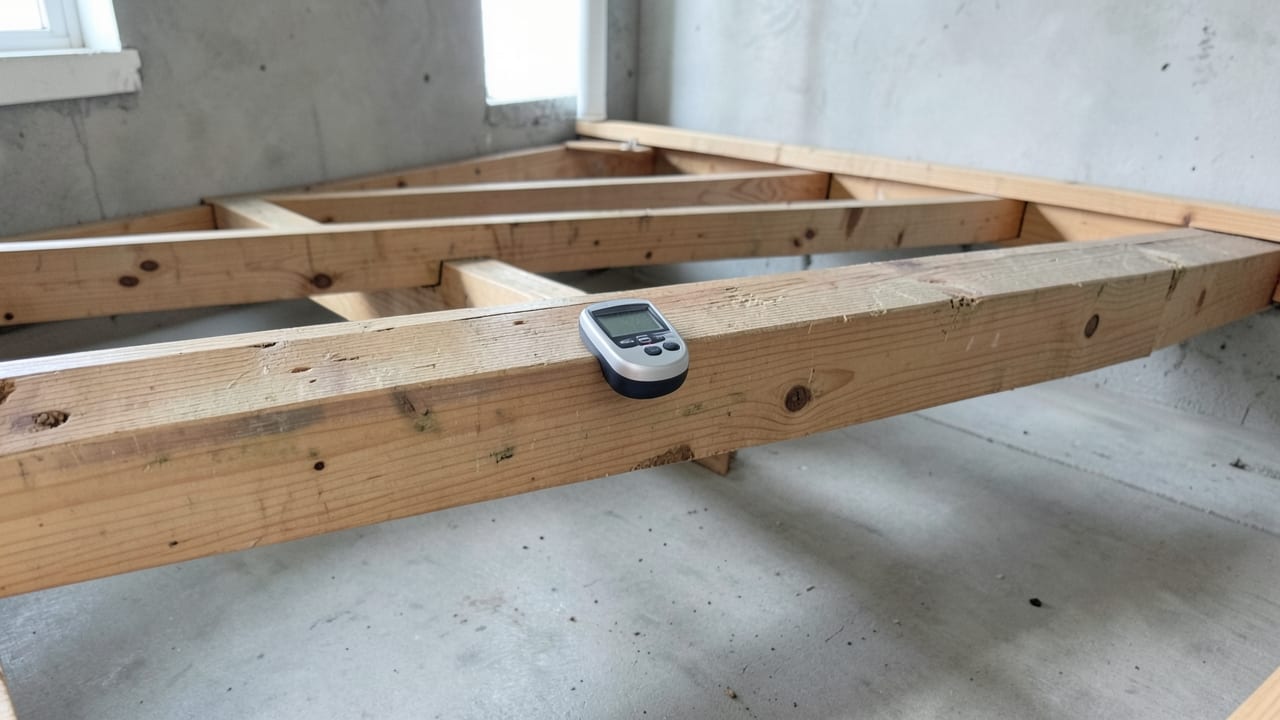
Spring Mold Inspection in Barnstead, NH
Professional assessment and identification of mold growth in homes.
Learn More
Move-In Mold Assessment in Barnstead, NH
Professional inspection and assessment of mold presence before moving into a property.
Learn More
Pre-Sale Mold Clearance in Barnstead, NH
Pre-sale mold clearance involves inspection and testing to confirm a property is mold-free before purchase.
Learn More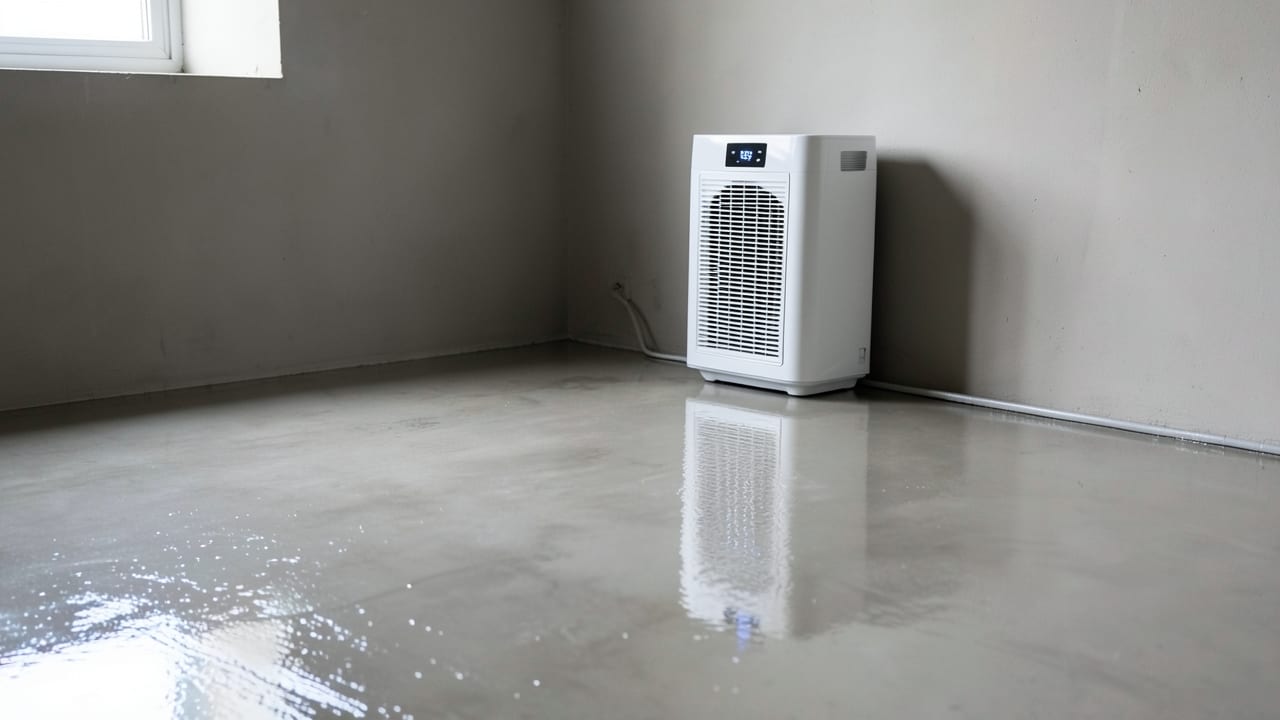
Post-Remediation Sealing in Barnstead, NH
Applying protective sealants to surfaces after mold remediation to prevent future growth.
Learn More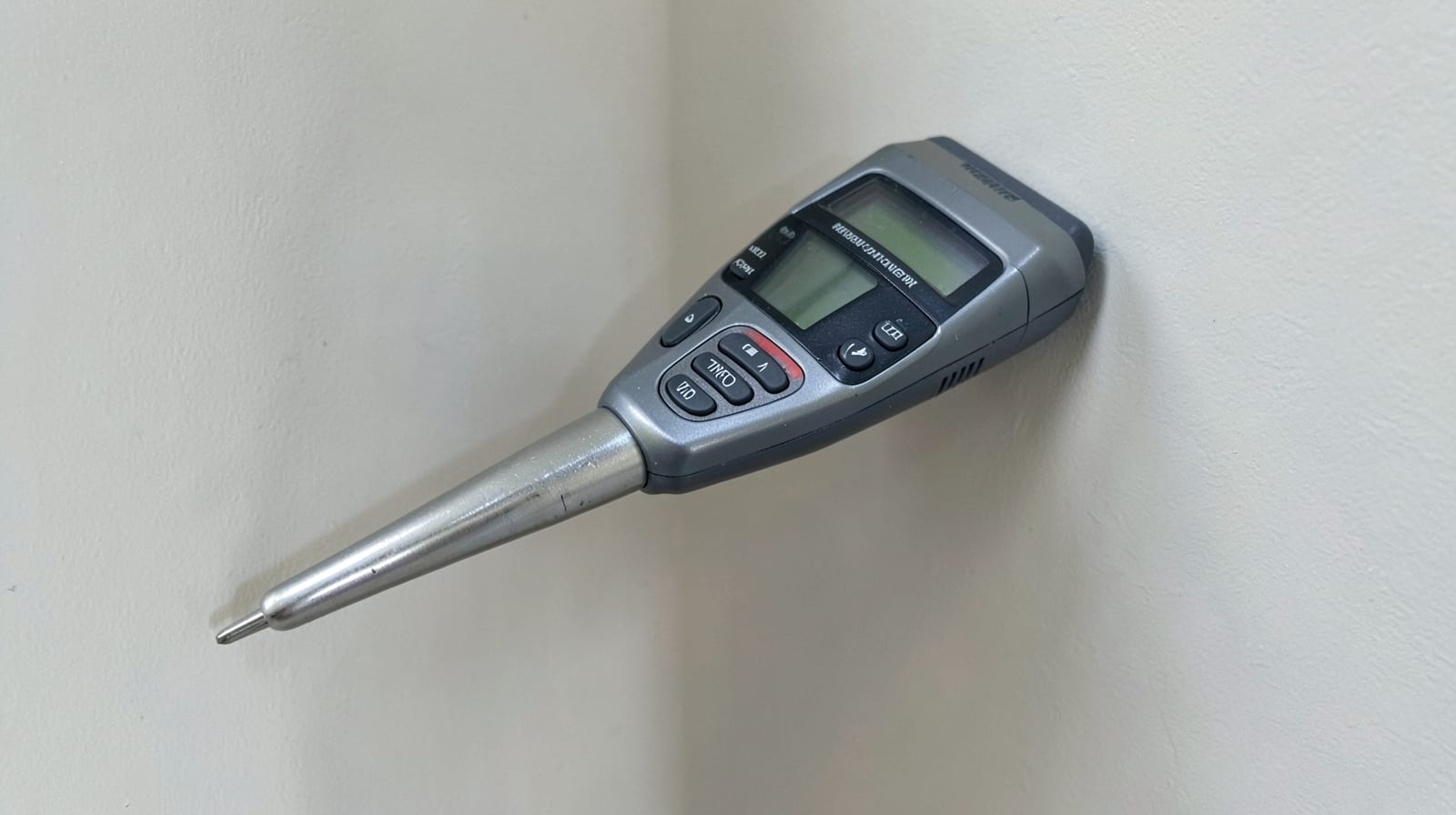
Mold Inspection in Barnstead, NH
Mold inspection in Barnstead, NH — a visual and moisture-meter assessment that finds the source of growth, not just the visible spot on the wall.
Learn More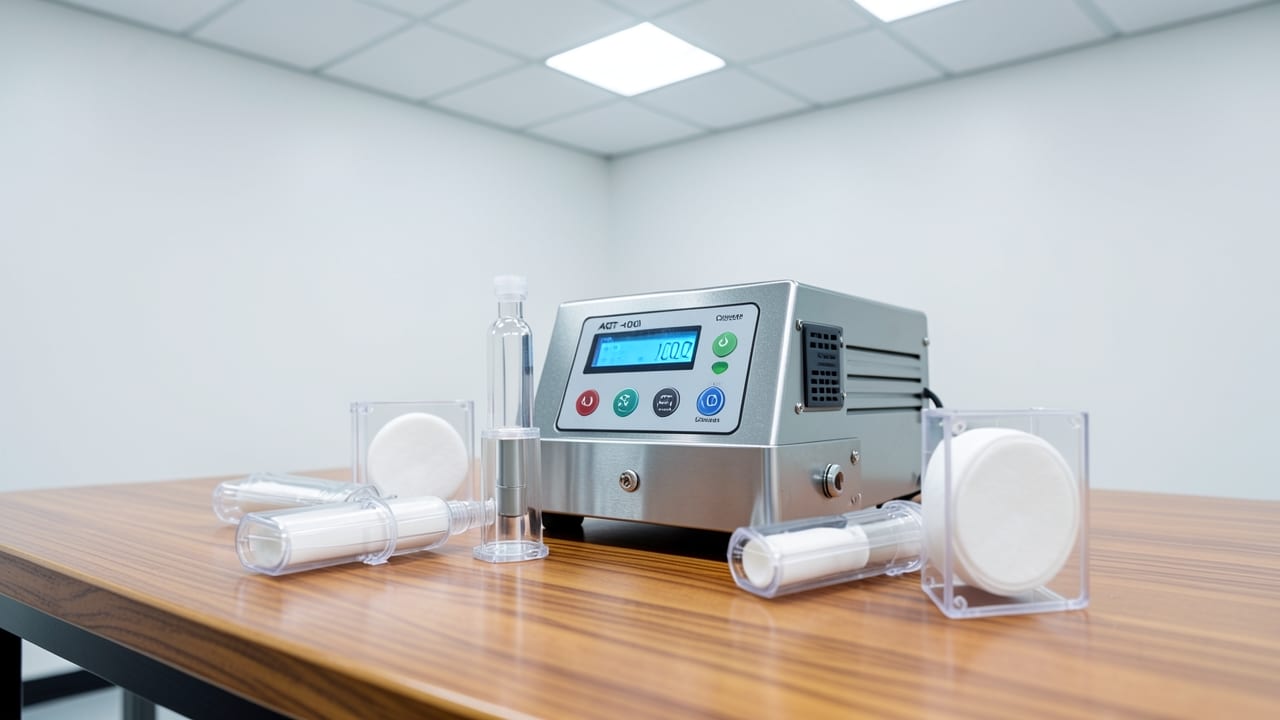
Mold Testing & Air Quality Testing in Barnstead, NH
Mold and indoor air quality testing in Barnstead, NH — lab-analyzed air and surface samples confirm what's actually growing and whether it's airborne.
Learn MoreCommon Questions About Mold Remediation in Barnstead
Everything you need to know about mold remediation services in Barnstead
How much does Fire Smoke Mold Remediation typically cost in Barnstead, NH?
Why does Barnstead, NH's humidity make mold a bigger risk than in drier regions?
Is black mold actually more dangerous than other mold types?
How long does a typical mold remediation job take?
Is it safe to stay in the home during mold remediation?
Can small mold problems be handled without hiring anyone?
Need Mold Remediation in Barnstead?
Connect with local providers in Barnstead for a detailed quote.
⏰ We answer your call • Serving all of Barnstead and surrounding areas