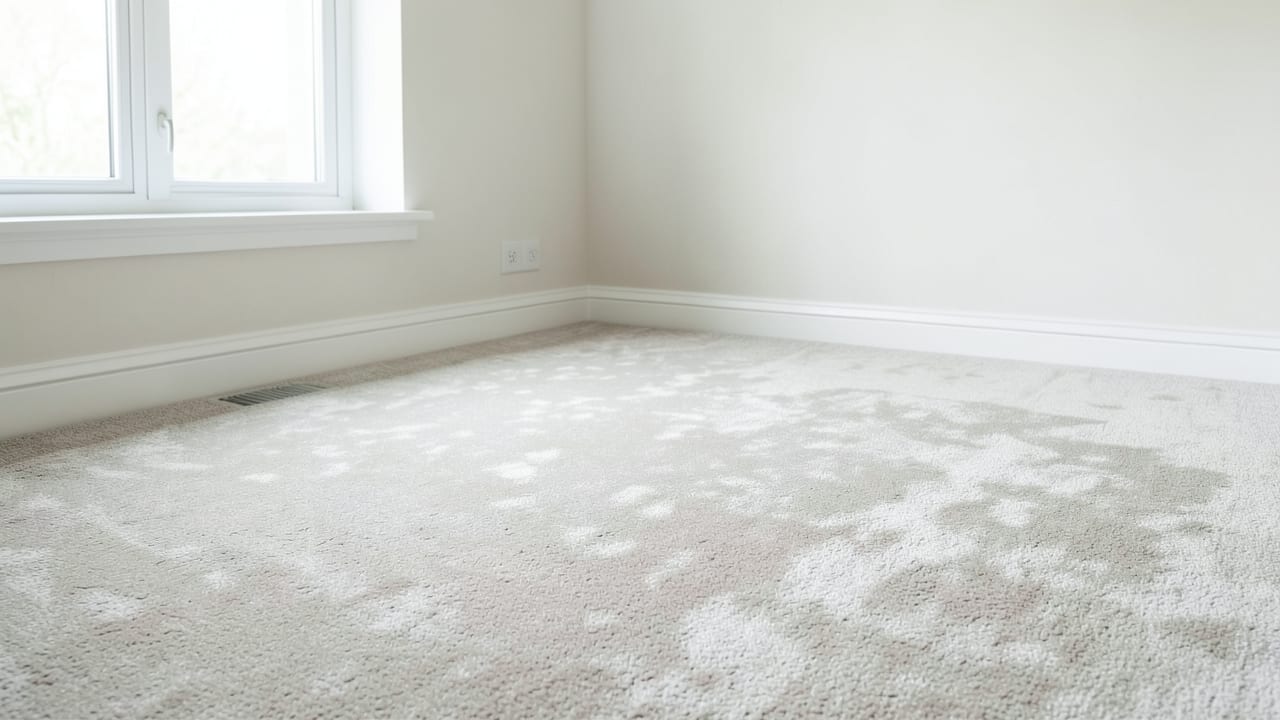
Carpet Mold Treatment
Professional assessment and removal of mold growth from carpets to restore a safe indoor environment.
If mold has taken hold in your Barnstead, NH, carpets, it’s important to act quickly. Moisture from leaks, poor ventilation, or damp basements can create the perfect environment for mold growth, which can spread through fibers and padding.
Professional carpet mold treatment involves containment, removal, and drying to prevent further contamination and recurrence. Unlike surface cleaning, this process targets hidden mold and addresses moisture sources to help keep the problem from returning.
We also handle Retail Store Mold Remediation and Gym Mold Remediation for Barnstead properties.
When to call for carpet mold treatment
Mold in carpets often starts small but can quickly become a larger issue if ignored. Signs that professional treatment may be needed include visible mold growth covering more than a small patch, a persistent musty smell with no visible source, or mold that keeps returning after cleaning.
In Barnstead’s humid climate, damp areas like basements or windowless rooms are especially prone to mold regrowth if moisture isn’t properly addressed.
Another red flag is mold spreading into adjacent materials, such as subflooring or walls. If you notice discoloration, warping, or a damp feeling in the carpet padding, these are signs that mold has penetrated deeper than the surface.
Without proper removal and drying, spores can linger and recirculate through your home’s air.
Signs Professional Treatment Is Needed
- Mold covers more than a small, isolated patch (typically over 25 square feet).
- The musty smell persists even after cleaning visible mold.
- Mold keeps returning to the same spot after being cleaned.
- Discoloration or dampness appears in carpet padding or subflooring.
- Mold is visible in multiple rooms or hidden behind walls, under flooring, or in ductwork.
What affects pricing and scope?
The cost of carpet mold treatment in Barnstead varies based on the size of the affected area, the severity of the mold, and whether hidden moisture sources need to be addressed.
Unlike surface cleaning, professional remediation includes containment, removal of porous materials, HEPA filtration, and structural drying—all of which contribute to the total price. Confirmed black mold cases may also increase costs due to the additional precautions required.
Another factor is whether the job includes clearance testing, which is often priced separately. Without this step, there’s no independent confirmation that the mold has been fully removed. Always ask for a written scope of work that details what’s included, as vague estimates can lead to unexpected costs later.
Common mistakes to avoid
DIY cleaning can spread spores if containment isn’t used, turning a small problem into a larger one. Skipping HEPA filtration during removal recirculates spores instead of capturing them, while ignoring the moisture source ensures mold will return. Without clearance testing, there’s no way to confirm the job was fully effective.
Pressure to sign a contract during the inspection visit is another red flag—legitimate scopes take time to prepare. Always compare bids that include containment, testing, and moisture fixes, not just the removal itself.
Avoid bids that exclude containment, clearance testing, or moisture source fixes. Verbal-only estimates without a written scope can lead to disputes later. Always confirm the company holds the required state license for mold remediation.
How carpet mold treatment works
This process ensures mold is safely removed and moisture sources are addressed to prevent recurrence.
- 1Containment Setup
Plastic sheeting and negative-air machines seal off the work area to prevent spores from spreading to unaffected parts of the home.
- 2Mold Removal
Porous materials like carpet padding and drywall are cut out and bagged, while non-porous surfaces are scrubbed and treated.
- 3HEPA Filtration and Drying
HEPA air scrubbers and vacuums capture spores during removal, and industrial dehumidifiers dry framing and subflooring to normal moisture levels.
- 4Clearance Testing
An independent lab tests air or surfaces to confirm spore counts are back to normal before containment is removed.
Frequently asked questions
Can I clean mold off my carpet myself?
Surface-level mold in small patches can sometimes be cleaned with vinegar or a commercial mold cleaner, but carpets absorb moisture, making deep cleaning difficult. If the mold keeps returning or covers a large area, professional treatment is recommended to ensure it’s fully removed and the moisture source is fixed.
How long does the treatment process take?
The timeline depends on the size of the affected area and whether hidden mold or moisture issues are found. Containment, removal, and drying can take anywhere from a few hours to several days, especially if structural repairs are needed.
Will my carpets need to be replaced after mold treatment?
Not always. If the mold has only penetrated the surface fibers, professional cleaning may restore the carpet. However, if padding or subflooring is heavily contaminated, replacement may be necessary to ensure the problem doesn’t return.
How can I prevent mold from coming back?
Fix leaks, improve ventilation in damp areas, and use dehumidifiers in persistently moist rooms. Regularly check for signs of moisture or musty smells, especially after heavy rain or in basements.
See Loudon, NH for more, or discover the mold remediation work we do around Barnstead before booking for our complete lineup.
Ready to get started?
Talk to a local mold remediation pro in Barnstead — get a written quote.
Other Mold Remediation Services in Barnstead
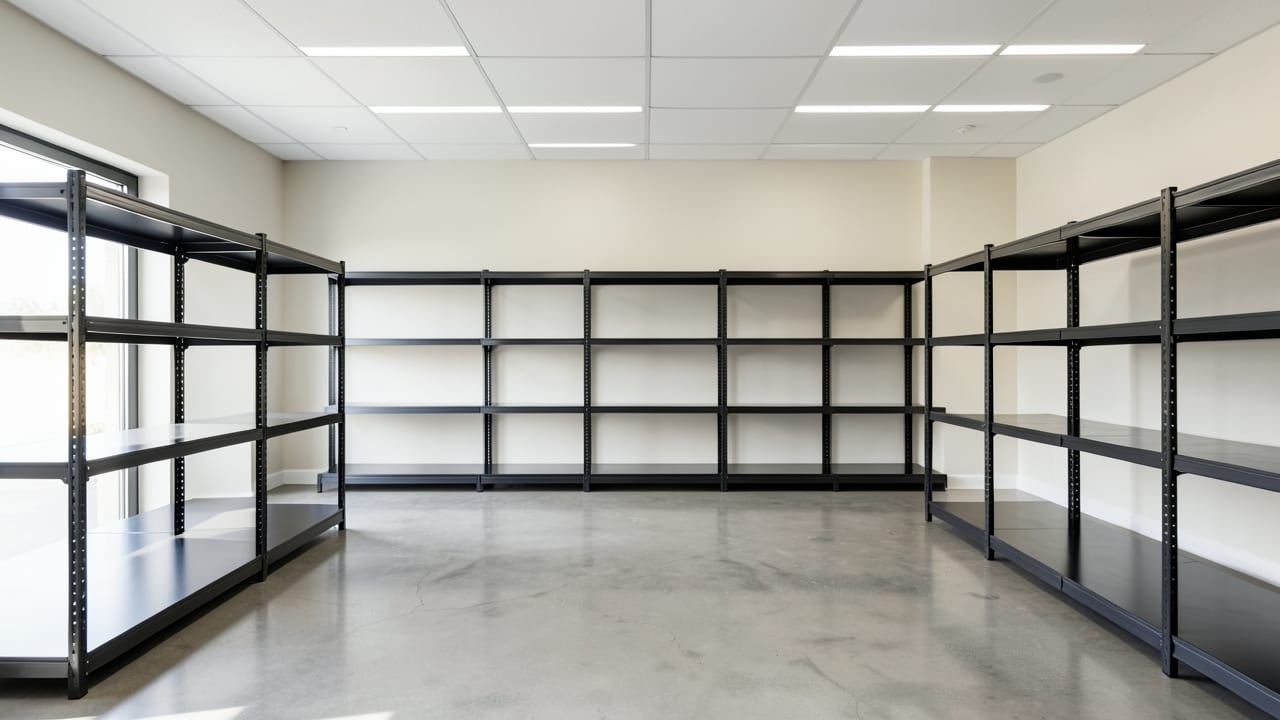
Retail Store Mold Remediation in Barnstead, NH
Professional mold removal and remediation for retail stores to restore safe, clean environments.
Learn More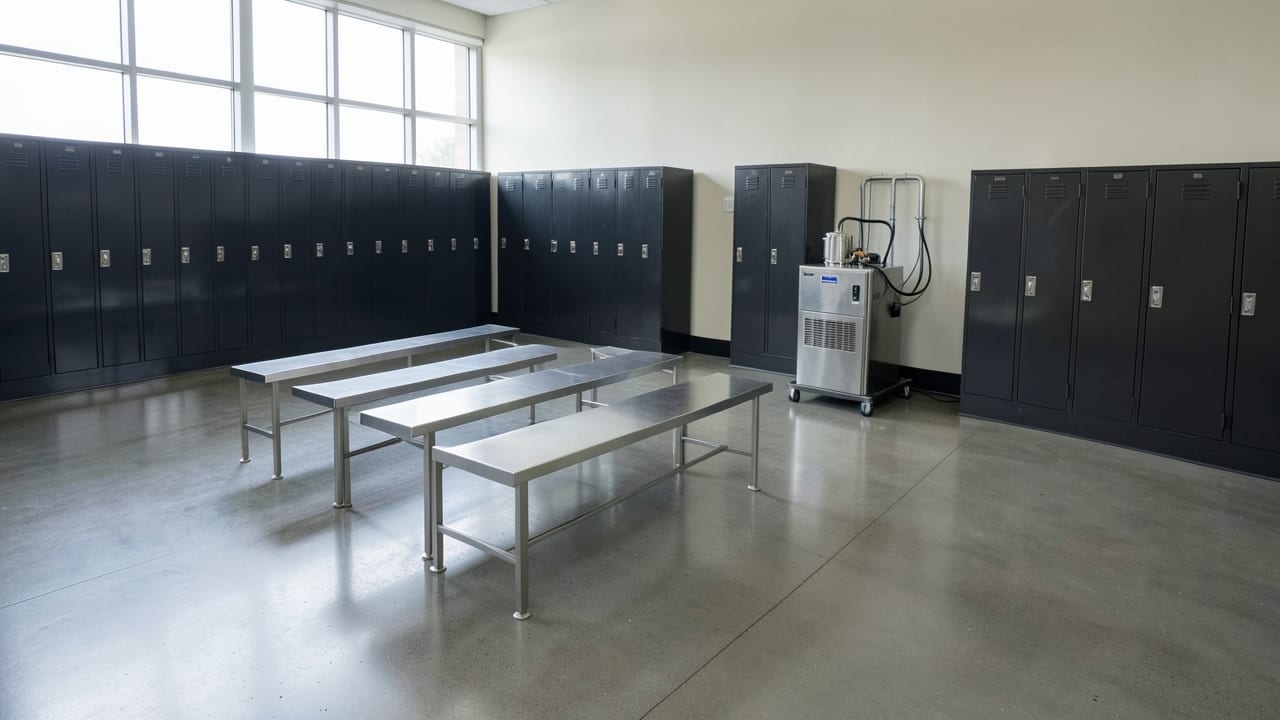
Gym Mold Remediation in Barnstead, NH
Professional removal and treatment of mold in gyms to restore safe, clean environments.
Learn More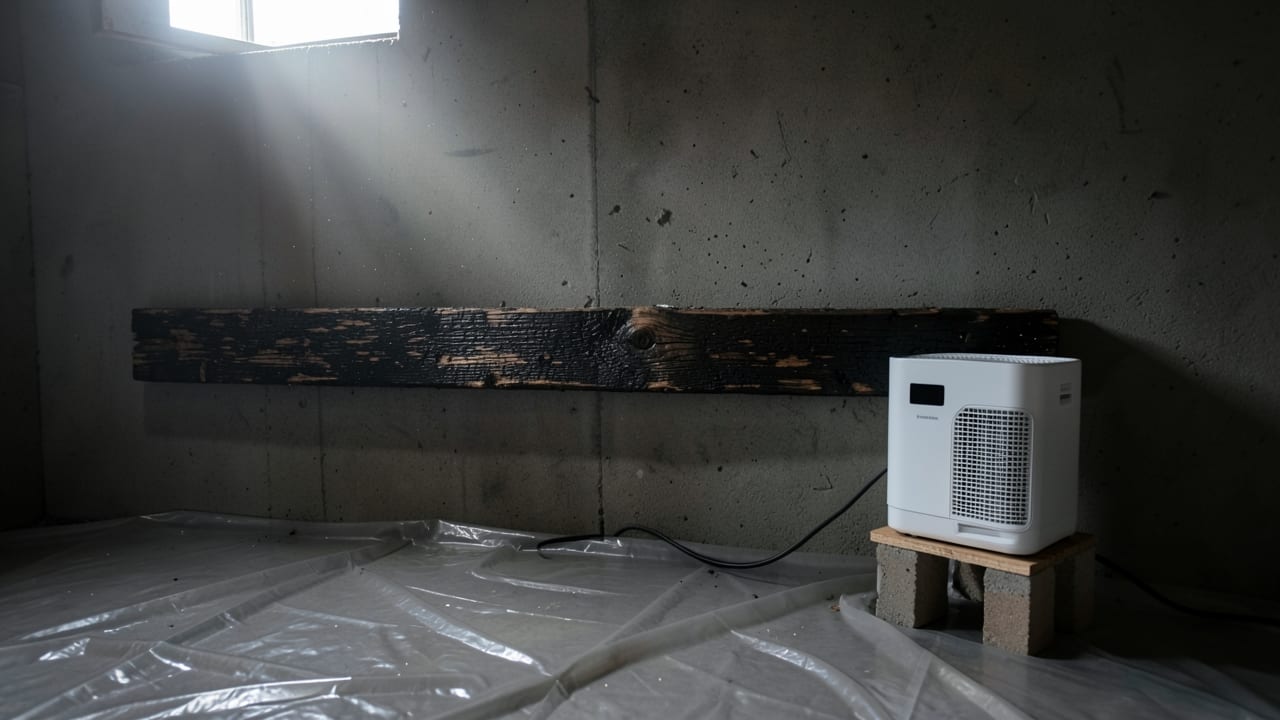
Fire Smoke Mold Remediation in Barnstead, NH
Professional cleanup and restoration of fire, smoke, and mold damage in homes.
Learn More
Pet Urine Mold Treatment in Barnstead, NH
Professional removal of mold caused by pet urine in homes, including assessment and treatment.
Learn More
Salt Air Mold Remediation in Barnstead, NH
Professional mold assessment, containment, removal, and prevention in affected areas of the home.
Learn More
Spring Mold Inspection in Barnstead, NH
Professional assessment and identification of mold growth in homes.
Learn MoreCommon Questions About Mold Remediation in Barnstead
Everything you need to know about mold remediation services in Barnstead
How much does Carpet Mold Treatment typically cost in Barnstead, NH?
Why does Barnstead, NH's humidity make mold a bigger risk than in drier regions?
Is black mold actually more dangerous than other mold types?
How long does a typical mold remediation job take?
Is it safe to stay in the home during mold remediation?
Can small mold problems be handled without hiring anyone?
Need Mold Remediation in Barnstead?
Connect with local providers in Barnstead for a detailed quote.
⏰ We answer your call • Serving all of Barnstead and surrounding areas